Bachelor's and master's degrees at Italian public universities.
- Bologna
- Padua
- Milan
- Turin
- Rome
- Florence
- Pisa
- Naples
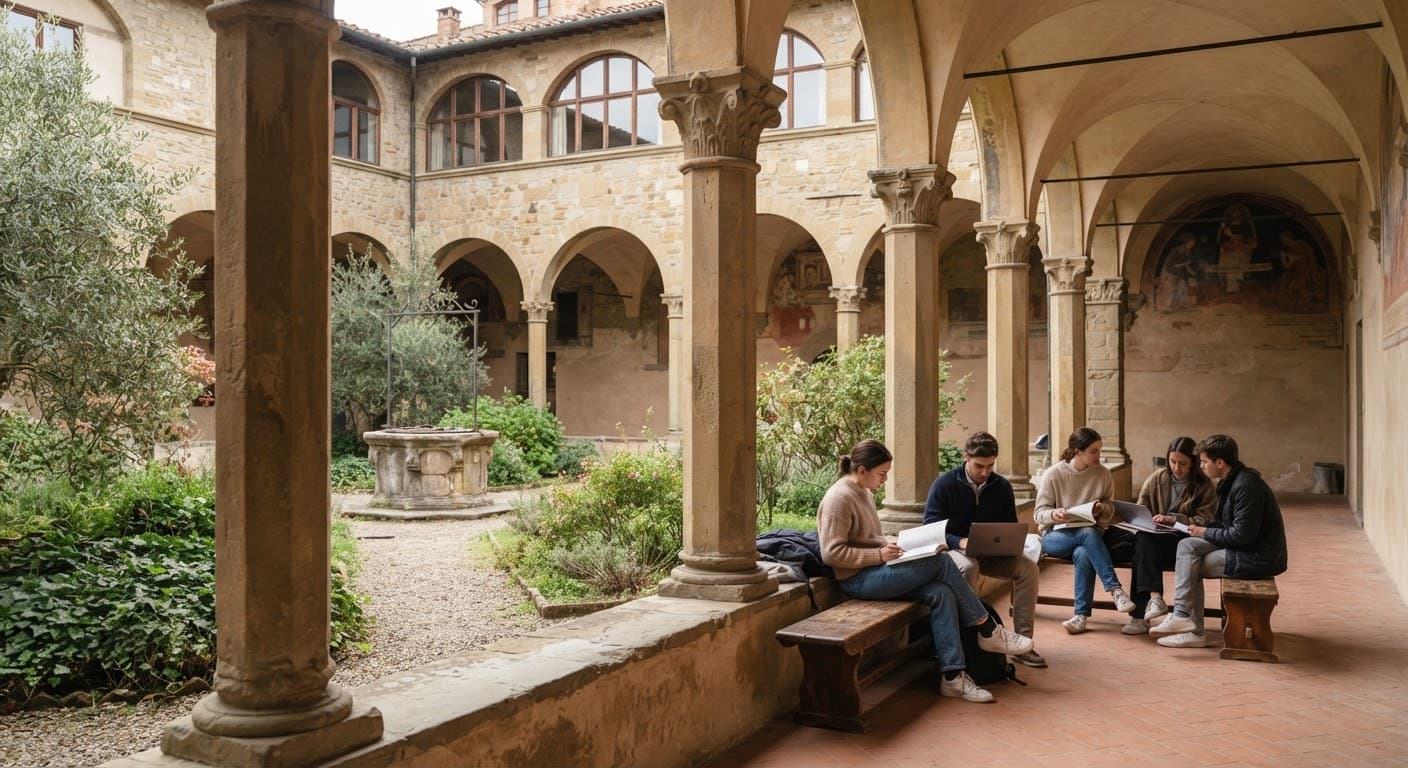
Why Italy
A strong choice for international students
English-taught programmes
A wide choice of bachelor's and master's programmes taught fully in English across many subjects.
Affordable public universities
Tuition at public universities is often linked to family income, and can be much lower than in many other countries.
Regional scholarships
Income-based DSU scholarships may cover tuition and include a grant and help with housing and meals.
A European degree
Degrees follow the European higher education framework and are recognised across Europe.
The pathway
From programme choice to your visa
Swipe to see all six steps →
Documents
Documents you will typically need
- Passport (bio page), valid for your whole stay
- Secondary school certificate and transcript (bachelor's applicants)
- Bachelor's degree certificate and transcript (master's applicants)
- English language certificate, or proof of English-medium study where accepted
- CV and motivation letter
- Recommendation letters, where the programme asks for them
- CIMEA statement of comparability or Declaration of Value, as required
- Family income documents, for DSU scholarship applicants
Scholarships
Regional DSU scholarships
What a DSU scholarship can include
- A tuition fee waiver
- A yearly cash grant
- University accommodation or a housing contribution
- Subsidised or free meals in university canteens
What you receive depends on the region, your family's economic situation and the available funding. Applications need income documents from your home country, usually translated and legalised, so we start preparing them early. We can't promise a scholarship: the region decides.
Timeline
An indicative year
6–12 months before
Choose programmes and start preparing documents
Autumn – spring
University applications open and close (dates vary by university)
Spring – summer
Offers, Universitaly pre-enrolment and DSU scholarship calls
Summer
Study visa application and travel preparation
September – October
Arrival, enrolment and residence permit
Requirements, fees and dates differ between universities and regions and change every year. Always check the official university and regional websites; we confirm the details for your own applications.
Questions
Studying in Italy: FAQ
Do I need to speak Italian?
Not for English-taught programmes. Learning some Italian is still useful for daily life, and some universities offer free or low-cost courses.
What are CIMEA and the Declaration of Value?
They are ways for Italian universities to understand and recognise qualifications earned abroad. Which one you need depends on the university, so we confirm this for each application.
Is the DSU scholarship available to international students?
Yes, international students can apply in many regions. Eligibility depends on your family's income and assets, and the documents must be prepared and translated in a specific way. Each region publishes its own rules every year.
Thinking about Italy?
Tell us what you studied and what you want to study next. We will explain your options and the documents you would need.